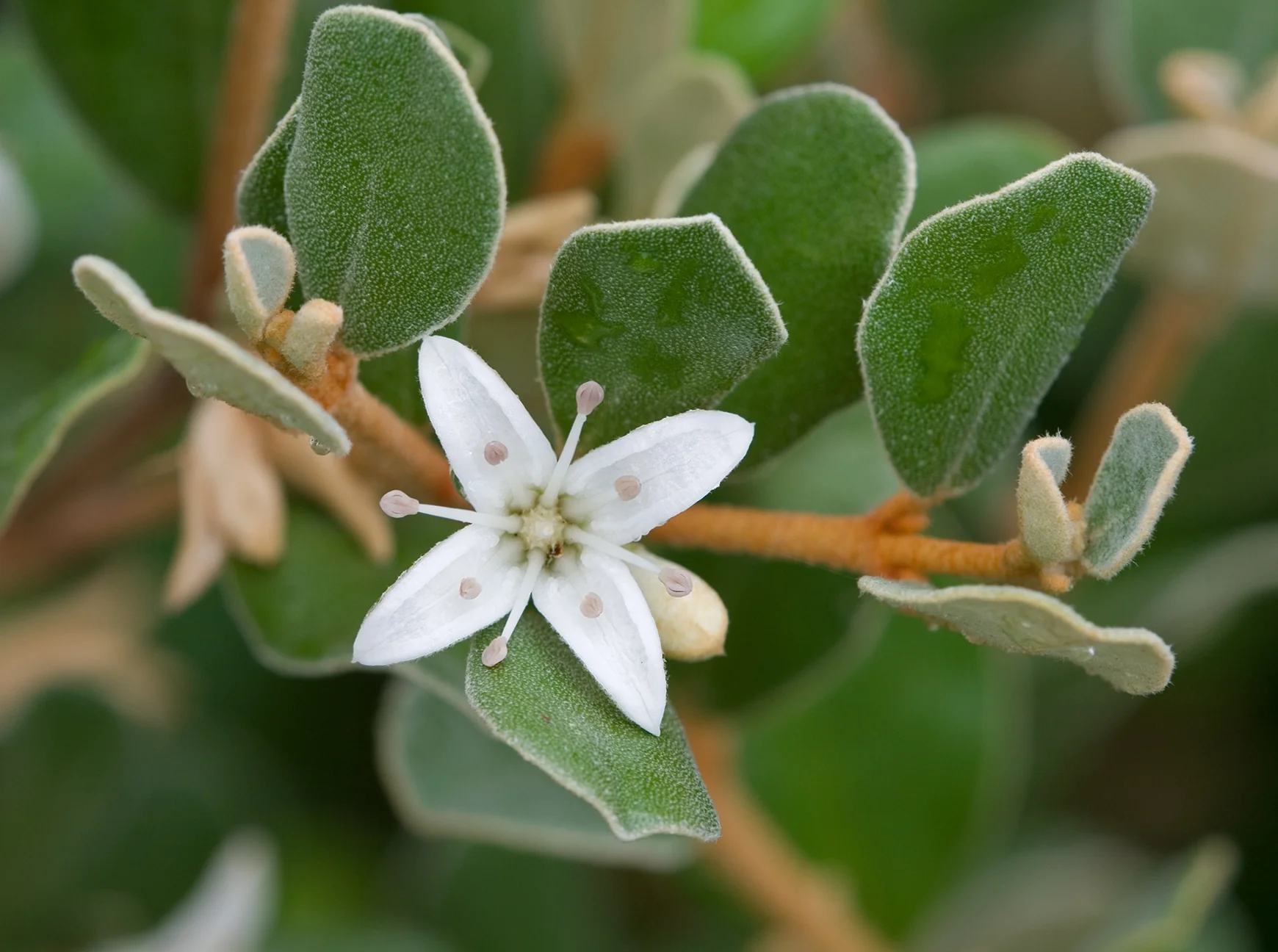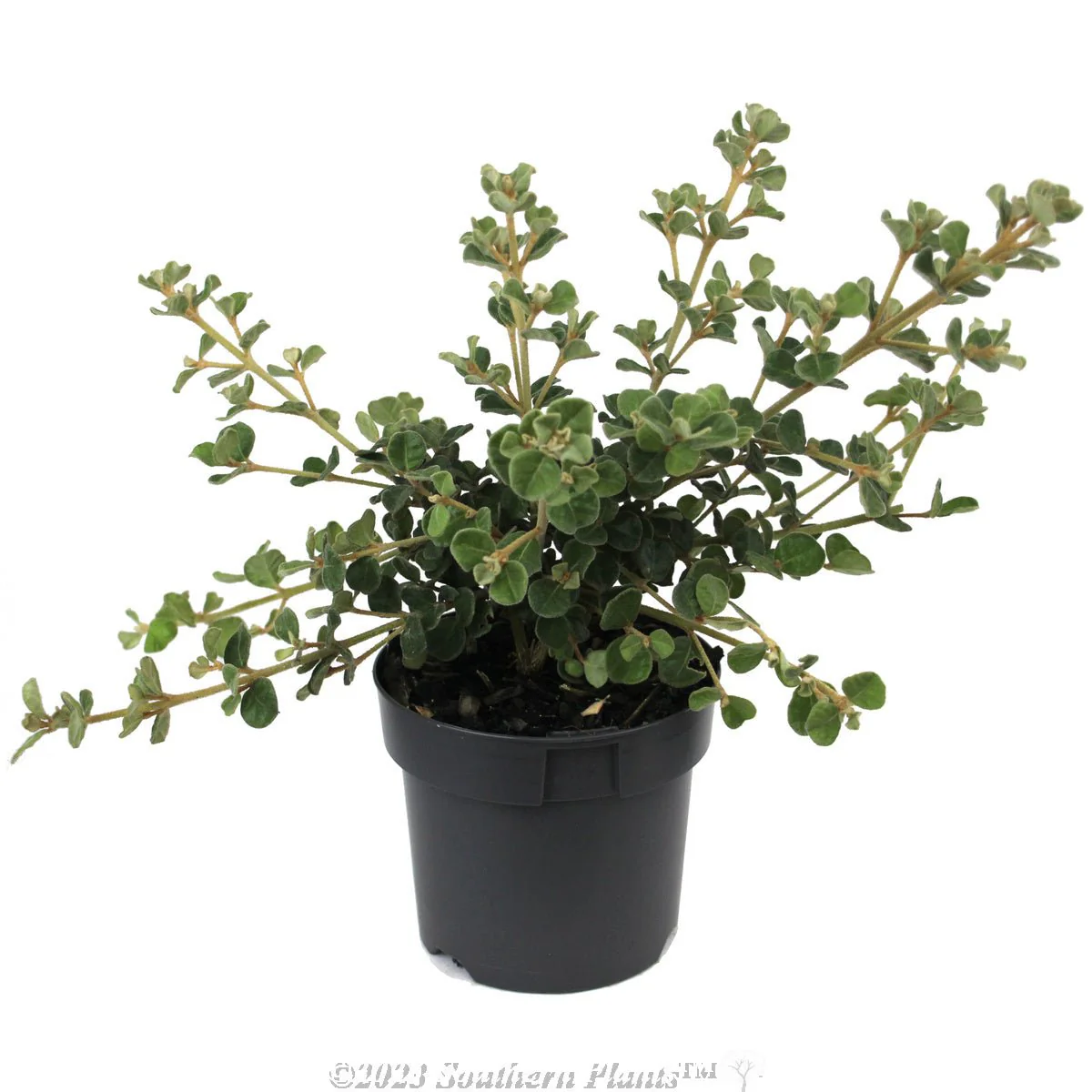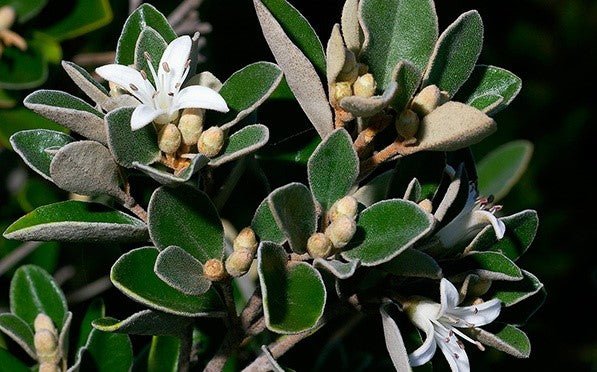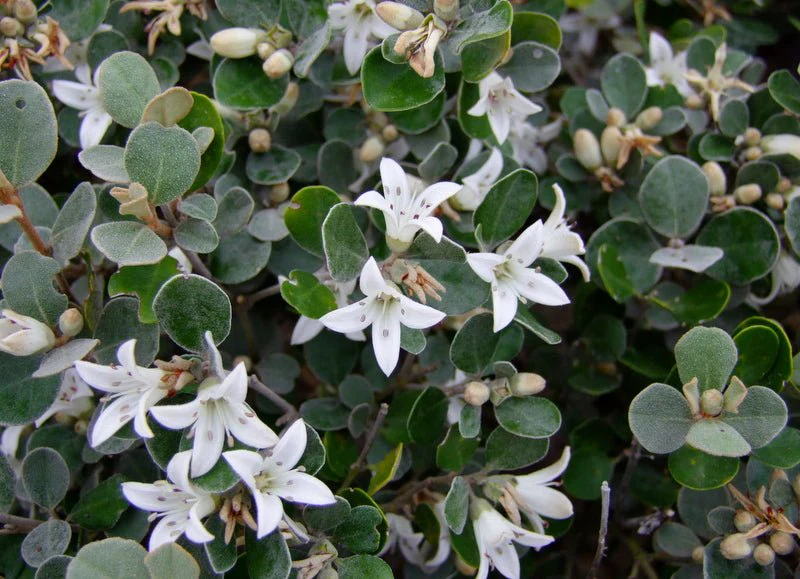
Tucker bush Round baby pig face (Disphyma crassifolium ssp. clavellatum)
The Tucker Bush Round Baby Pig Face (Disphyma crassifolium ssp. clavellatum) is a low-growing succulent commonly found along the coastal areas of Australia. It’s well-known for its vibrant flowers and its use in bush tucker (native Australian edible plants). Here’s a detailed overview of the plant:
Botanical Information:
-
Scientific Name: Disphyma crassifolium ssp. clavellatum
-
Common Name: Round Baby Pig Face, Noon Flower
-
Family: Aizoaceae
-
Origin: Native to coastal regions of southern Australia, New Zealand, and South Africa.
Physical Characteristics:
-
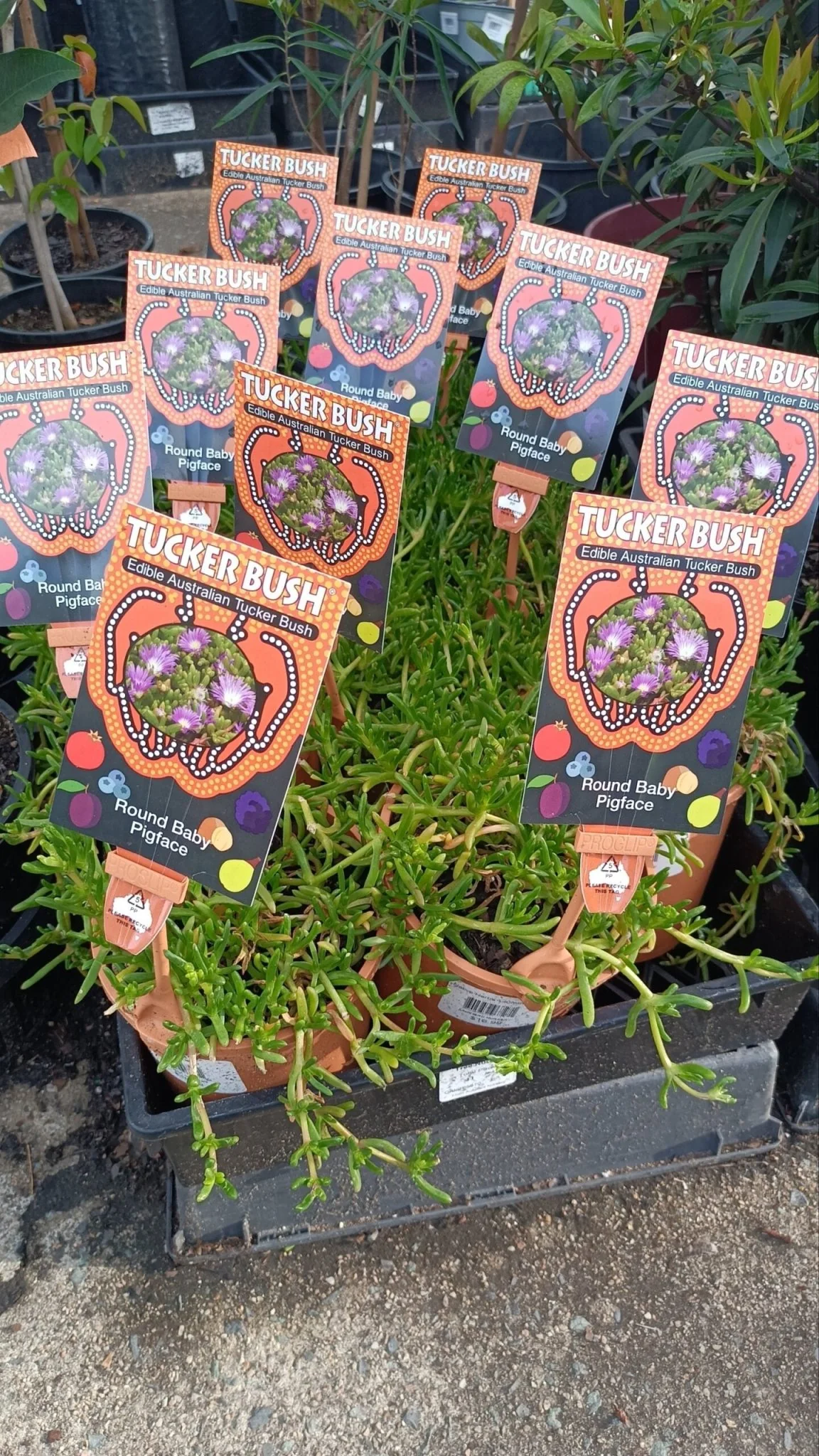
Flower Color: Bright pink to purple, occasionally white, with daisy-like flowers.
-
Flowering Season: Blooms in spring and summer, with long-lasting and profuse flowers.
-
Plant Height: Forms a low-growing mat, typically 10–20 cm tall.
-
Spread: Can spread up to 1 meter wide, making it an excellent ground cover.
-
Leaves: Succulent, fleshy, and cylindrical, typically rounded at the tips, which gives the plant its common name ""Baby Pig Face.""
Growth and Care Requirements:
-
Light: Prefers full sun for optimal growth but can tolerate light shade.
-
Soil: Adaptable to a wide range of soils, particularly sandy and well-drained soils. It thrives in poor, coastal soils and can tolerate saline environments.
-
Water: Drought-tolerant once established but prefers occasional watering. Avoid overwatering to prevent root rot.
-
Temperature: Hardy to a variety of climates but thrives best in warm, temperate zones. Tolerates coastal winds and saline spray.
-
Fertilization: Requires minimal feeding; a light application of a balanced, low-nitrogen fertilizer in spring can promote growth.
-
Maintenance: Low-maintenance plant, prune to control spread if needed. Remove dead flowers to encourage continuous blooming.
Edibility and Uses:
-
Bush Tucker: The leaves and fruits are edible. The succulent leaves have a salty flavor and can be eaten raw or used in salads. The small, round fruits are also edible and have a tangy taste.
-
Landscaping: Ideal as a ground cover in rockeries, coastal gardens, or as a decorative plant in containers. Its trailing habit makes it excellent for erosion control.
-
Container Gardening: Can be grown in pots or hanging baskets, where it trails over the edges.
Pests/Diseases:
-
Common Pests: Relatively pest-resistant but can occasionally attract aphids or mealybugs.
-
Diseases: Susceptible to root rot if overwatered or grown in poorly drained soil.
Additional Information:
-
Propagation: Easily propagated from stem cuttings or division of clumps. Cuttings root readily in sandy soil.
-
Longevity: Long-lived and thrives in poor soils, making it an excellent choice for sustainable and low-maintenance gardens.
The Tucker Bush Round Baby Pig Face is a versatile and resilient plant that adds beauty to gardens while offering an edible component, making it a favorite in both ornamental and edible landscapes. Its ability to tolerate drought and coastal conditions also makes it an ideal choice for xeriscaping
Original: $12.29
-65%$12.29
$4.30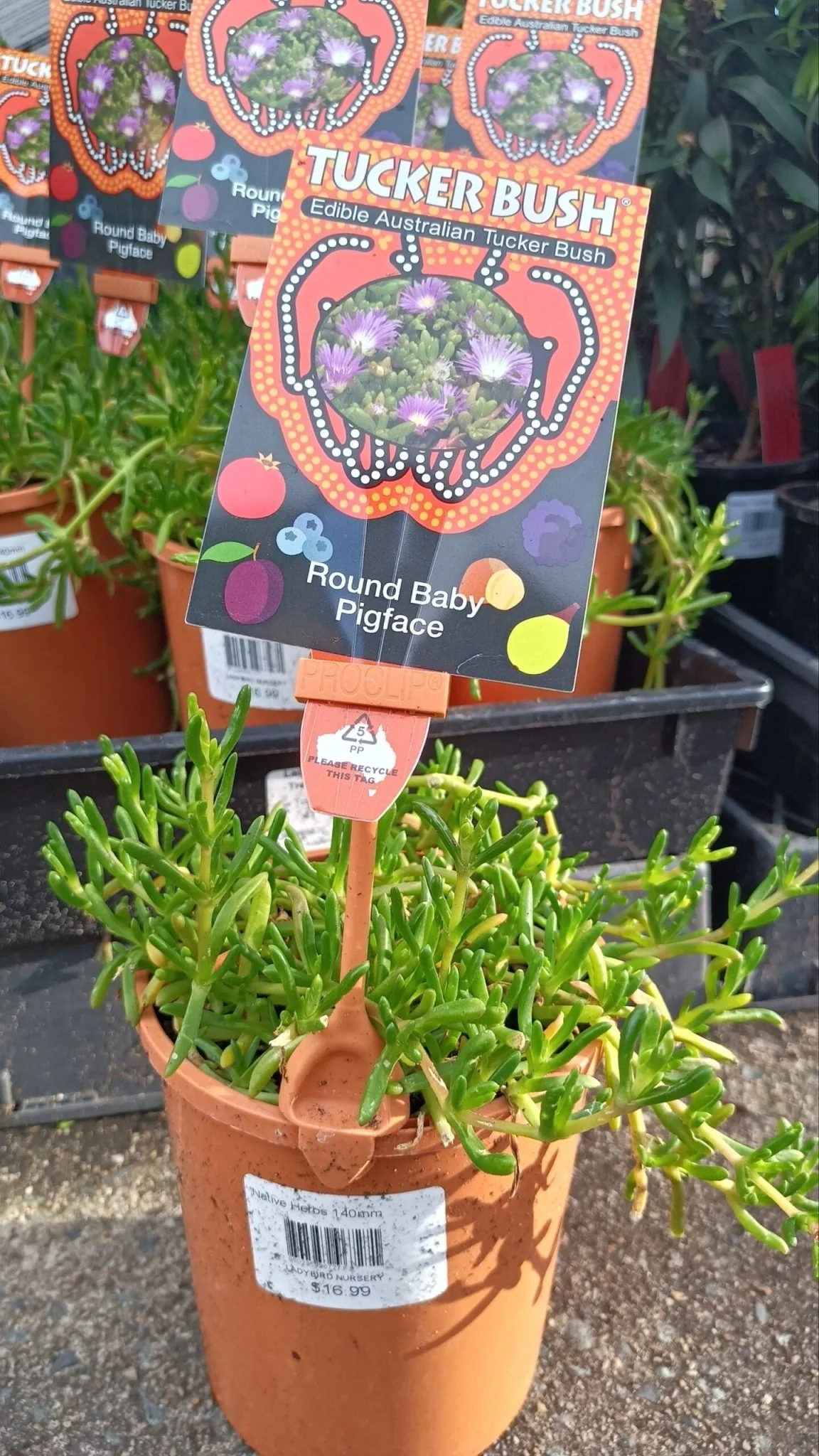
Description
The Tucker Bush Round Baby Pig Face (Disphyma crassifolium ssp. clavellatum) is a low-growing succulent commonly found along the coastal areas of Australia. It’s well-known for its vibrant flowers and its use in bush tucker (native Australian edible plants). Here’s a detailed overview of the plant:
Botanical Information:
-
Scientific Name: Disphyma crassifolium ssp. clavellatum
-
Common Name: Round Baby Pig Face, Noon Flower
-
Family: Aizoaceae
-
Origin: Native to coastal regions of southern Australia, New Zealand, and South Africa.
Physical Characteristics:
-
Flower Color: Bright pink to purple, occasionally white, with daisy-like flowers.
-
Flowering Season: Blooms in spring and summer, with long-lasting and profuse flowers.
-
Plant Height: Forms a low-growing mat, typically 10–20 cm tall.
-
Spread: Can spread up to 1 meter wide, making it an excellent ground cover.
-
Leaves: Succulent, fleshy, and cylindrical, typically rounded at the tips, which gives the plant its common name ""Baby Pig Face.""
Growth and Care Requirements:
-
Light: Prefers full sun for optimal growth but can tolerate light shade.
-
Soil: Adaptable to a wide range of soils, particularly sandy and well-drained soils. It thrives in poor, coastal soils and can tolerate saline environments.
-
Water: Drought-tolerant once established but prefers occasional watering. Avoid overwatering to prevent root rot.
-
Temperature: Hardy to a variety of climates but thrives best in warm, temperate zones. Tolerates coastal winds and saline spray.
-
Fertilization: Requires minimal feeding; a light application of a balanced, low-nitrogen fertilizer in spring can promote growth.
-
Maintenance: Low-maintenance plant, prune to control spread if needed. Remove dead flowers to encourage continuous blooming.
Edibility and Uses:
-
Bush Tucker: The leaves and fruits are edible. The succulent leaves have a salty flavor and can be eaten raw or used in salads. The small, round fruits are also edible and have a tangy taste.
-
Landscaping: Ideal as a ground cover in rockeries, coastal gardens, or as a decorative plant in containers. Its trailing habit makes it excellent for erosion control.
-
Container Gardening: Can be grown in pots or hanging baskets, where it trails over the edges.
Pests/Diseases:
-
Common Pests: Relatively pest-resistant but can occasionally attract aphids or mealybugs.
-
Diseases: Susceptible to root rot if overwatered or grown in poorly drained soil.
Additional Information:
-
Propagation: Easily propagated from stem cuttings or division of clumps. Cuttings root readily in sandy soil.
-
Longevity: Long-lived and thrives in poor soils, making it an excellent choice for sustainable and low-maintenance gardens.
The Tucker Bush Round Baby Pig Face is a versatile and resilient plant that adds beauty to gardens while offering an edible component, making it a favorite in both ornamental and edible landscapes. Its ability to tolerate drought and coastal conditions also makes it an ideal choice for xeriscaping